What Causes Knee Pain? Injuries, Overuse and Joint Conditions
Learn what causes knee pain, from injuries and repeated strain to joint conditions, and how these causes can affect the inside or outside of your knee.
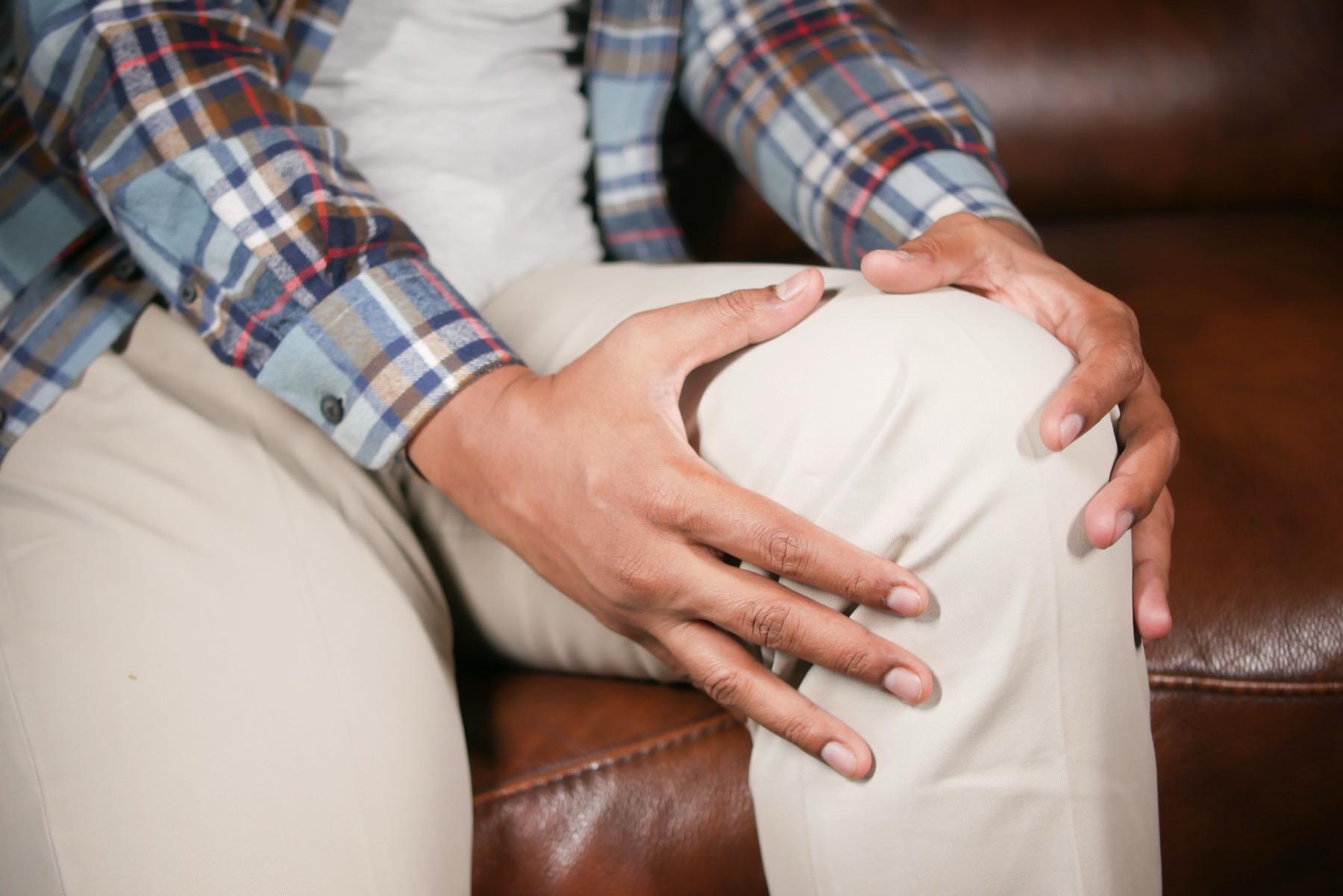
Knee pain can interrupt a walk, make stairs uncomfortable, or appear when you haven’t done anything unusual. It’s understandable to wonder, “Why does my knee hurt?” The answer isn’t always a single injury.
Understanding what causes knee pain starts with three broad groups: injuries, repeated strain, and joint conditions. Within those groups, different tissues can produce similar symptoms. This guide explains common causes of knee pain, then connects them with possible reasons for pain on the inside or outside of the knee.
Knee pain caused by injuries
Your knee includes bones, cartilage, ligaments, and tendons. A twist, fall, or direct impact can damage one or more of these structures. Injuries aren’t limited to sport: an awkward step or a fall at home can also affect the joint.
Ligament injuries involve the strong bands connecting bones. A sprain stretches or tears ligament fibres. The anterior cruciate ligament, or ACL, can tear during a sudden change of direction or awkward landing. The collateral ligaments support the sides of the knee and may be injured when a force pushes the joint sideways.
Meniscus injuries affect the two curved pads of cartilage between the thigh bone and shin bone. A loaded twist can tear a meniscus, sometimes causing pain, swelling, catching, or difficulty straightening the knee. Meniscus tissue can also change with age, so a tear doesn’t always follow a dramatic accident. Some tears cause few or no symptoms.
Fractures are breaks in a bone, including the kneecap or the ends of the bones forming the joint. Falls and collisions are possible causes; weakened bones can fracture with less force.
These injuries can cause left or right knee pain. The side alone doesn’t identify the damaged structure. Pain after a fall could involve a bruise, a ligament, cartilage, or bone, and more than one injury can happen together.
Knee pain caused by overuse
Repeated loading can irritate knee tissues without one obvious accident. A sudden increase in running, jumping, stair climbing, or kneeling may place demands on tissues beyond what they’re accustomed to. This can happen during work and everyday activity, not just exercise.
Tendon problems involve the tissues joining muscles to bones. The patellar tendon, which connects the kneecap to the shin bone, can become painful with repeated jumping or other loading. Pain is typically near the front of the knee, below the kneecap.
Bursitis means inflammation of a bursa, a small fluid-filled cushion between tissues. Repeated kneeling can irritate the bursa in front of the kneecap. Other bursae sit elsewhere around the joint.
Iliotibial band syndrome can cause discomfort on the outside of the knee, often during repetitive activities such as running. If your search was “discomfort on outside of knee,” note whether repeated bending brings it on; location alone cannot confirm the cause. The iliotibial band is a thick strip of connective tissue along the outer thigh.
Patellofemoral pain is pain around or behind the kneecap, often associated with activities that load a bent knee. Several factors can contribute; it doesn’t necessarily mean cartilage is damaged. Overuse and injury categories can overlap.
Arthritis and other joint conditions
Not all knee pain begins with an injury or an increase in activity. Conditions affecting the joint itself can cause aches in knees, stiffness, and swelling, sometimes in one knee and sometimes in both.
Osteoarthritis involves changes across the joint, including the cartilage that helps bones move smoothly against each other. It can cause activity-related pain and stiffness after rest. Age, previous injury, and other factors influence its development, but knee pain isn’t an inevitable part of getting older. Symptoms and the amount of change visible on an X-ray don’t always match.
Inflammatory arthritis, including rheumatoid arthritis, involves inflammation driven by the immune system. It can affect the joint lining and cause pain, swelling, and prolonged stiffness. Other joints may be affected too. Unlike an isolated sprain, the underlying process isn’t simply local tissue damage from a twist.
Crystal arthritis, such as gout, occurs when crystals trigger inflammation inside a joint. Gout can affect the knee, not only the big toe, and may cause a sudden painful flare. Calcium pyrophosphate crystals can produce a similar pattern.
Joint infection, also called septic arthritis, is another possible cause of a painful, swollen knee. It is serious and can damage the joint. These conditions can share symptoms, so sudden swelling or warmth cannot establish which process is responsible.
Why does the inside or outside of my knee hurt?
Inner knee causes
The inside of the knee is the side nearest your other knee. Clinicians call it the medial side. Inner knee pain can come from structures within the joint or the tissues surrounding it. If your search was “knee is hurting on the inside of knee,” notice whether the ache is at the joint line or below it.
A medial meniscus tear can cause pain along the inner joint line, where the thigh bone and shin bone meet. An injured medial collateral ligament, or MCL, can also cause pain on this side, particularly after a sideways force. Their symptoms can overlap despite involving different tissues. “Knee pain on inside of knee joint” describes a location, not a way to tell which tissue is involved.
Osteoarthritis affecting the inner part of the joint is another possibility. Pain may become more noticeable during walking or other weight-bearing activity, but that pattern isn’t unique to arthritis.
Pain a little below the inner joint line may involve pes anserine bursitis. This affects a cushion near where several tendons attach to the upper shin. It isn’t the same structure as the medial meniscus, even though both can produce discomfort described as being on the inside of the knee.
Outer knee causes
The outside of the knee is the side facing away from your other leg, called the lateral side. Outer knee pain has several possible causes, not one characteristic diagnosis. Searches for “pain exterior knee” and “pain on outside of knee” both point to this area, but neither identifies the cause.
Iliotibial band irritation often produces pain near the outer side of the knee during repeated bending and straightening. It is one explanation for activity-related discomfort, but not every painful outer knee involves this band.
A lateral meniscus tear may cause pain at the outer joint line. An injured lateral collateral ligament, or LCL, can cause pain along the outer side after a force strains that ligament. Osteoarthritis in the outer part of the joint can also cause pain in this region.
The distinction between pain at the joint line and pain around it helps explain why nearby tissues can feel similar. Location alone cannot reliably separate these causes, and symptoms may spread beyond one small area.
Injuries, repeated strain, and joint conditions can all explain knee pain. Inner or outer pain narrows the anatomical area, but doesn’t name the condition. The same location can hurt for different reasons, and a problem in one tissue may feel much like a problem in its neighbour.
Sources
- NHS: Knee pain.
- AAOS: Common knee injuries.
- NHS: Septic arthritis.
- Lead photograph: Pexels, photo 11349880 — illustrative photograph, not a diagnosis or treatment demonstration.