Living With Aches? What Women Should Know About Knee, Shoulder, Neck, and Back Pain
Explore bone health in women alongside common knee, shoulder, neck, and back pain concerns, plus nutrition and movement measures and brief osteoporosis context.
Living with aches in different parts of your body can leave you wondering whether they are connected. Knee pain, shoulder or neck discomfort, and back pain can each have several possible explanations. Bone health in women is one part of the picture, but pain alone cannot identify a cause or show that someone has osteoporosis. This guide looks at common possibilities and practical food and movement habits that can support bone health, while explaining when individual medical advice matters.
Why pain can affect different areas
Pain is a signal, not a diagnosis. A sore knee after a change in activity, a tight shoulder after a long day, and a stiff back may arise for different reasons—even when they occur around the same time. Muscles, tendons, joints, nerves, and bones can all be involved, and the location alone rarely tells you which one.
Think about when the discomfort started, whether there was an injury or new activity, what movements affect it, and whether it is improving. Those details may help a clinician understand the pattern. Online information can help you decide what to ask, but it cannot determine the cause for you.
What may cause knee pain in women?
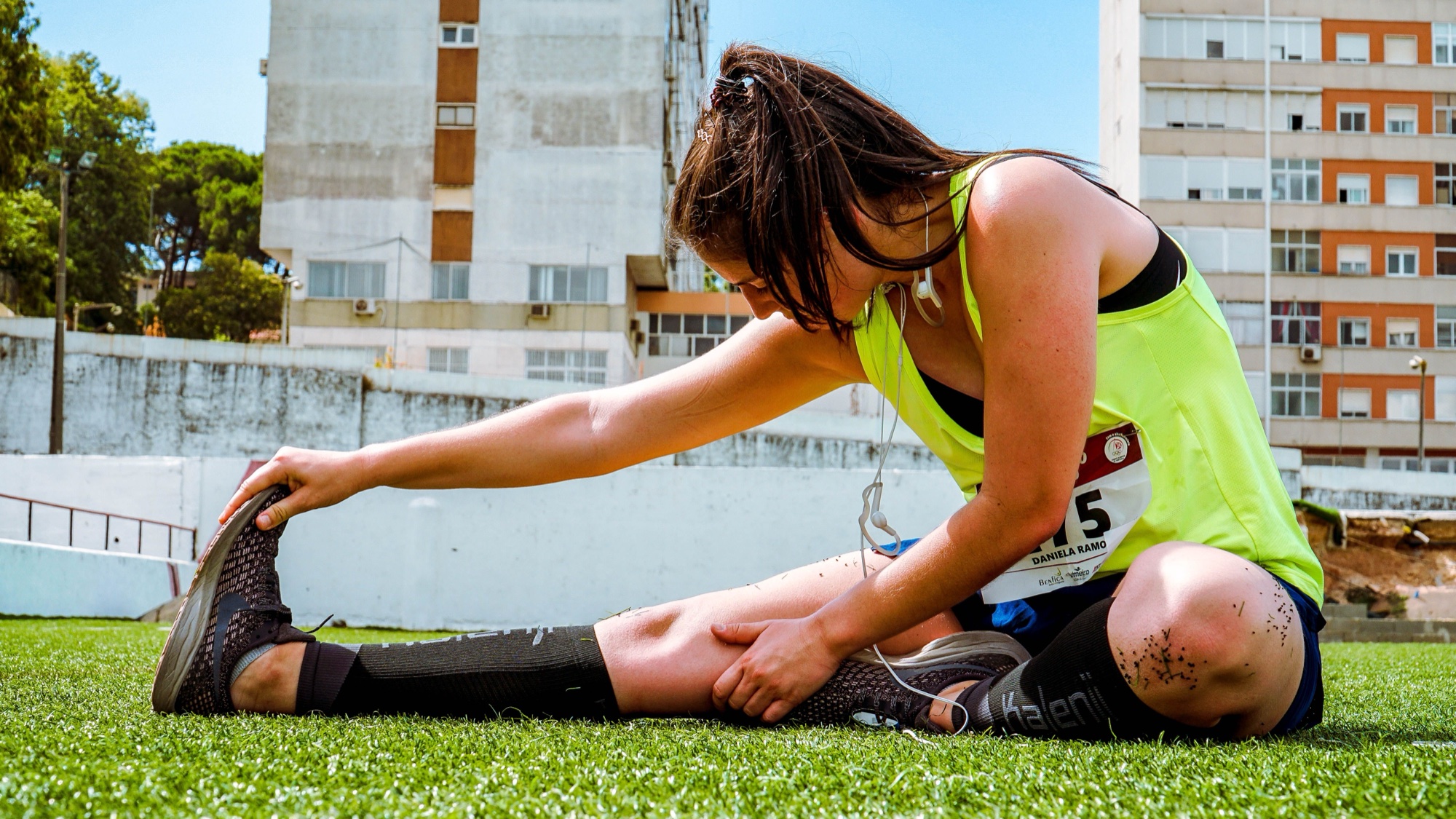
People often search “what causes knee pain in females?” There is no single answer. A recent twist, strain, or increase in activity may irritate the knee. Pain that develops gradually can have other causes, including joint conditions such as osteoarthritis. Swelling, stiffness, warmth, locking, or difficulty putting weight on the leg can add important context, but none of these signs alone confirms a diagnosis.
Notice whether pain began suddenly or slowly, whether the knee is swollen, and what activities make it better or worse. Avoid forcing painful movements or assuming that every ache is simply wear and tear. Osteoporosis affects bone strength and fracture risk; ordinary knee pain by itself does not establish that someone has osteoporosis. If pain persists, keeps returning, or limits daily activities, a health professional can assess it and discuss appropriate options.
Shoulder and neck pain
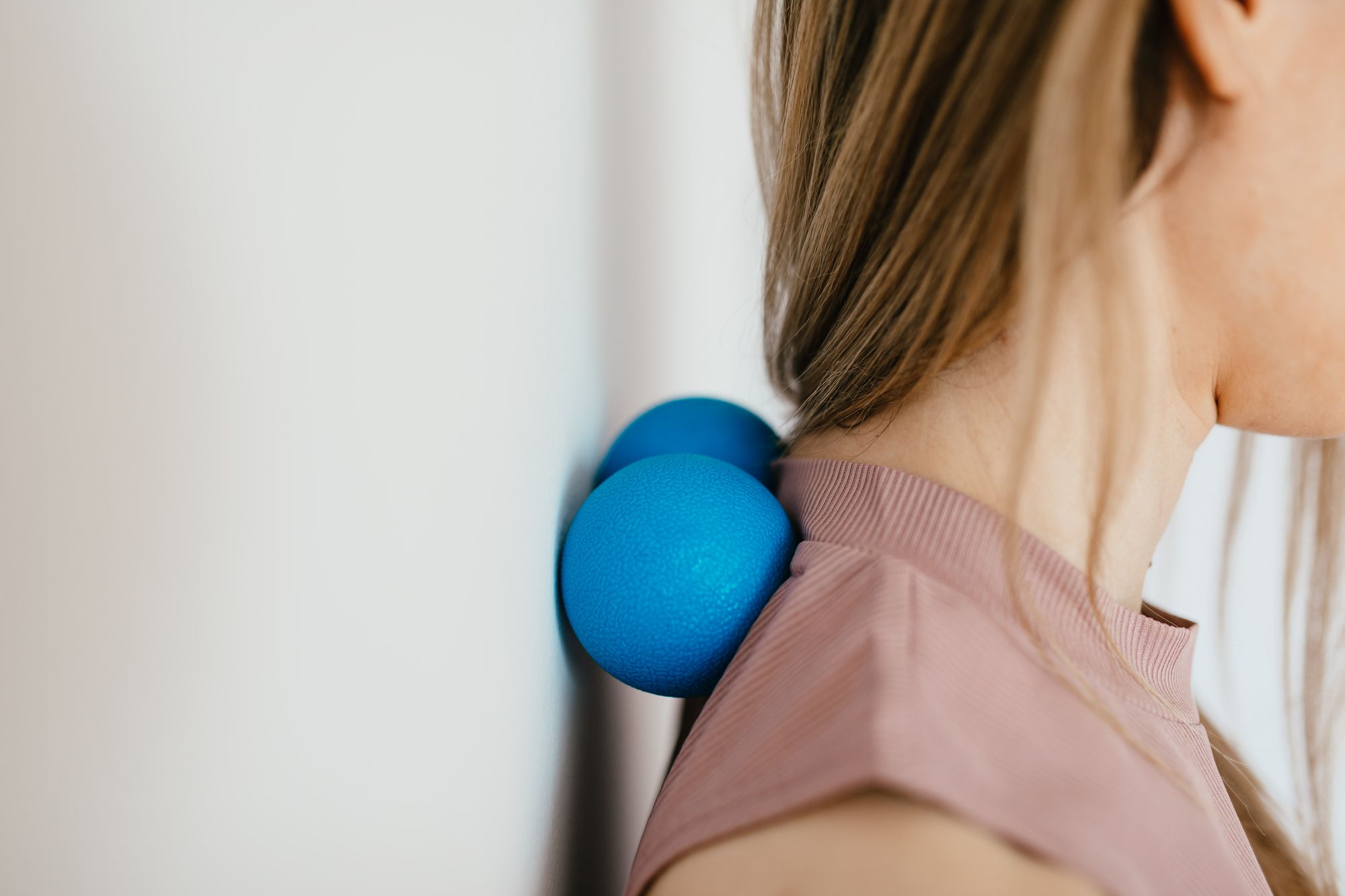
Shoulder discomfort can follow unfamiliar activity, repetitive use, a strain, or problems involving the shoulder joint or nearby tissues. Neck discomfort can also be felt around the shoulder, and pain can have more than one source. A phrase like “woman pain in left shoulder and neck” describes where someone hurts, but it cannot identify why.
Searches for “causes of shoulder pain in female” often reflect a need for reassurance and useful next steps. Pay attention to whether movement is limited, whether the arm feels weak or numb, and whether symptoms began after an injury. Gentle everyday movement may be comfortable for some uncomplicated aches, but do not push through sharp or worsening pain or copy strenuous exercises without advice.
Sudden shoulder or neck pain together with chest pressure, shortness of breath, sweating, faintness, or nausea needs urgent medical attention. These symptoms can have serious causes that an online article cannot sort out. Seek help promptly rather than assuming the pain is a muscle problem.
Back pain in women
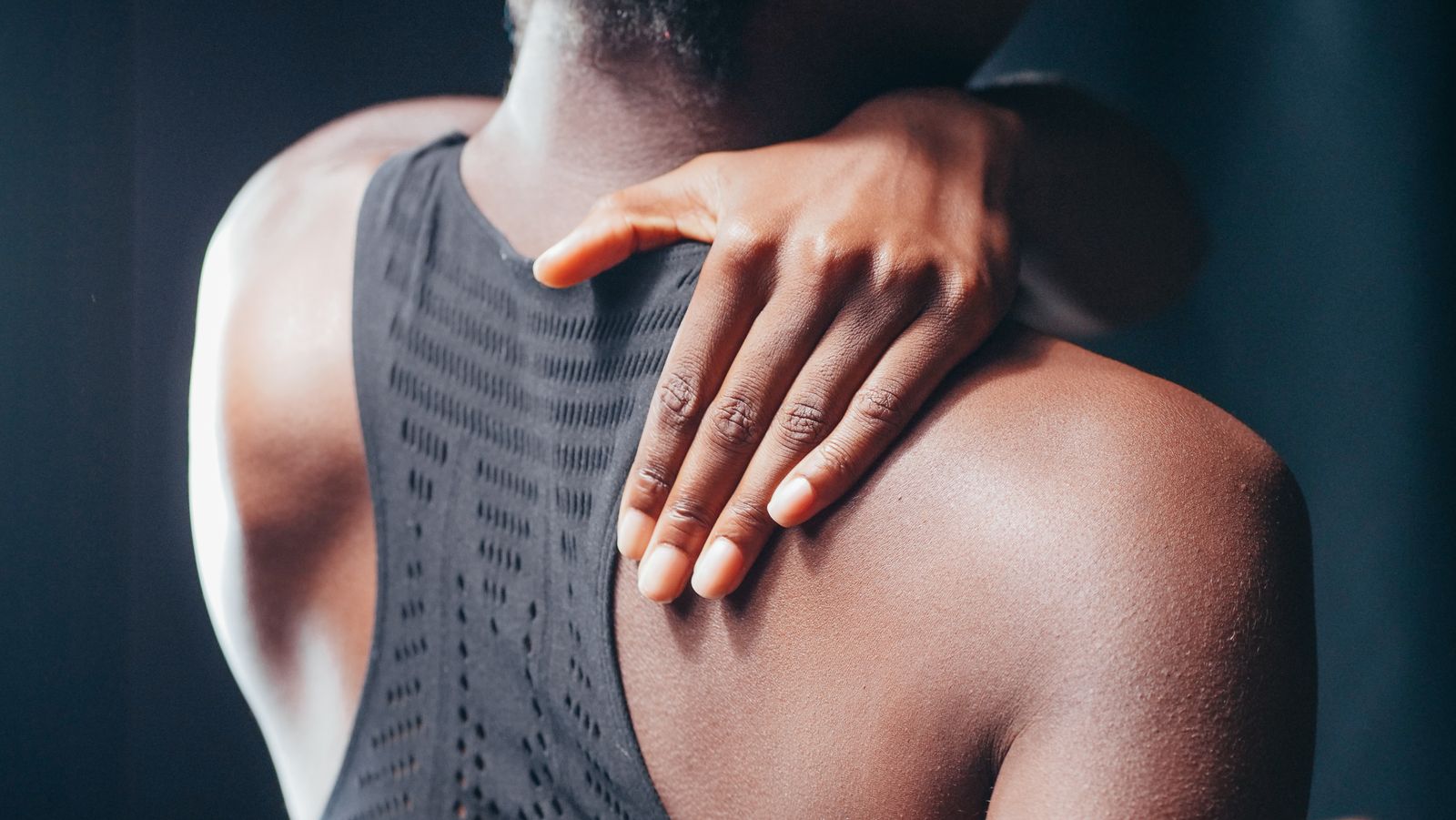
Back pain in women can relate to muscle strain, a disc or nerve problem, a joint condition, or other causes. Often, the exact reason is not obvious, and many episodes improve over time. Sudden pain after a significant fall or accident, pain that is rapidly worsening, or pain with new weakness or numbness deserves prompt assessment.
Osteoporosis is relevant to back health because weakened spinal bones can fracture, sometimes after a minor fall or ordinary strain. A spinal fracture may cause sudden, severe back pain, but most back pain is not proof of osteoporosis. Ongoing or recurring symptoms should be assessed in context—particularly if you have known bone-health risks or a previous fracture.
Where osteoporosis may fit
Osteoporosis is a condition in which bones become weaker and more likely to fracture. It can affect people of any gender, and risk can change over a lifetime. It is often called “silent” because there may be no clear symptoms until a fracture occurs. That is different from saying that every ache signals bone loss.
A clinician can consider personal and family history, medicines, fractures, and other factors when deciding whether assessment is appropriate. Do not try to diagnose osteoporosis from knee, shoulder, neck, or back pain alone. If you are concerned about your bone health, ask a healthcare professional whether you need an assessment and what steps make sense for you.
Nutrition measures to support bone health
A varied eating pattern can help provide nutrients the body uses to maintain bones. Calcium-rich choices may include dairy foods or suitable fortified alternatives; some greens, beans, nuts, and fish also contribute calcium. Vitamin D supports calcium absorption, and sources include certain foods and supplements. What is suitable varies, so ask a clinician or registered dietitian for guidance if you have dietary restrictions, a health condition, or questions about supplements.
Protein and overall nourishment matter too. Aim for regular, balanced meals rather than relying on one “bone-strengthening” food. Supplements are not a guaranteed way to prevent or treat osteoporosis, and more is not automatically better. A healthcare professional can help you understand whether a supplement is appropriate and whether it could interact with medicines or other conditions.
Food choices support general health; they do not diagnose or directly explain a painful knee, shoulder, neck, or back. If pain is persistent or concerning, seek advice about the pain itself as well as any questions about nutrition or bone health.
Exercise and movement measures
Weight-bearing activity, such as walking, and muscle-strengthening activity are commonly recommended as part of maintaining bone health. Activities that challenge balance may also be useful for general mobility. Choose options that suit your current ability and build activity gradually, rather than starting a demanding routine all at once.
If a particular movement causes sharp or increasing pain, stop and ask for advice. People with diagnosed osteoporosis, a previous fracture, significant pain, or other health concerns may need a programme tailored by a clinician or physiotherapist. The safest activities depend on individual circumstances; this article is not a personal exercise plan.
Movement is one part of bone health, alongside nutrition and individual medical care when needed. It may support strength and function, but it cannot promise to prevent every fracture or resolve every source of pain.
When to seek professional advice
Seek advice if pain is severe, worsening, keeps returning, or interferes with everyday activities. Get urgent help after a serious injury, if you cannot put weight on a leg, or if an area is hot and swollen with a fever. Chest symptoms with sudden shoulder or neck pain, or back pain with new leg weakness, numbness around the groin, or bladder or bowel changes, need urgent assessment. This is not a complete list; trust your concern and contact local medical services when symptoms feel serious.
Knee, shoulder, neck, and back pain can have different causes, while osteoporosis is one separate bone-health concern to discuss when relevant. Balanced meals and suitable movement can support general bone health, but they are not a diagnosis or a guaranteed treatment. If pain persists or worries you, seek personal guidance.