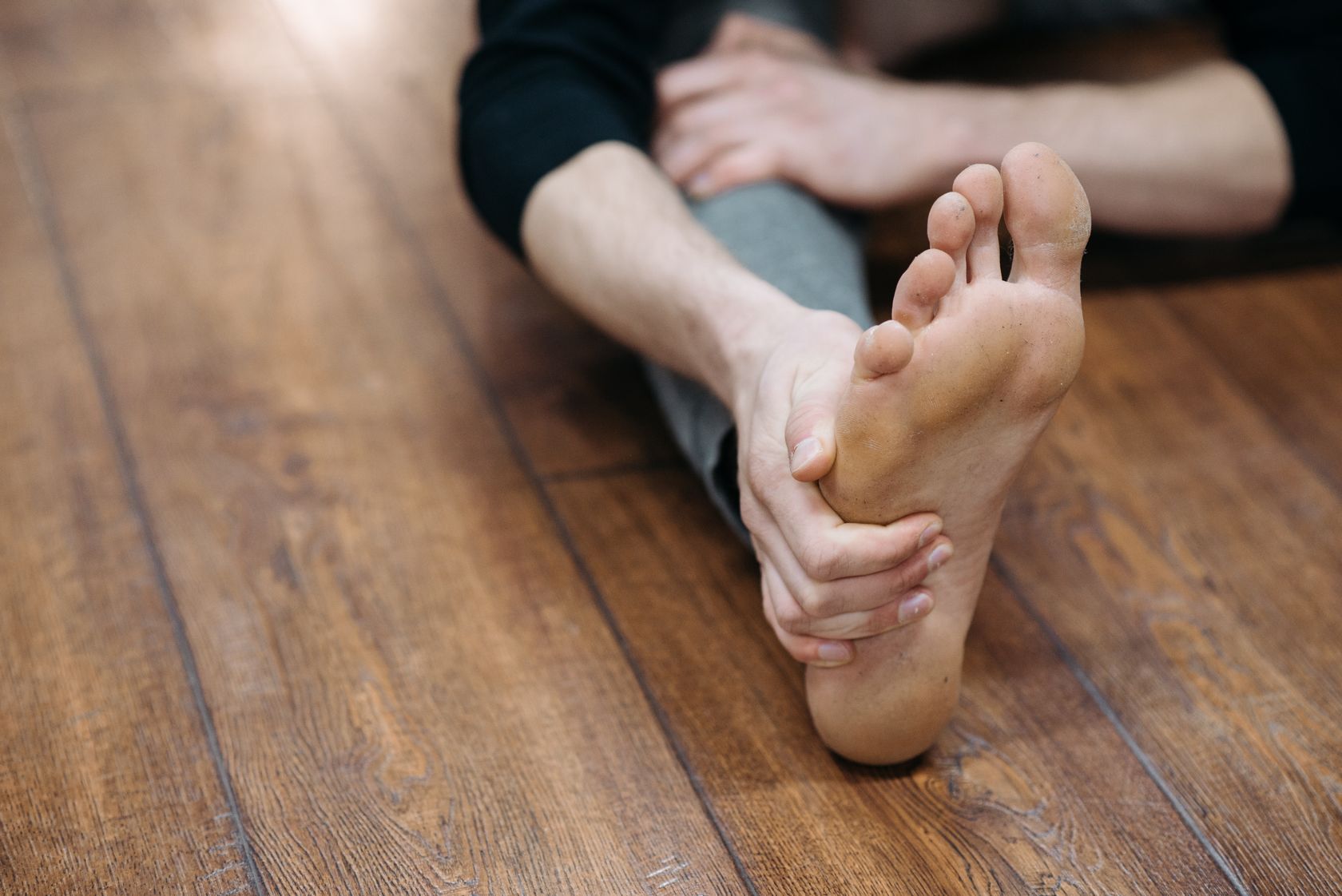
Heel pain causes: walking, running, burning, and sudden pain
Understand heel pain causes, including heel pain when walking, burning heel pain, and pain after running. Find practical next steps and when to seek help.

A sore heel can turn an ordinary walk into something you plan around. If you’re wondering “what is the reason for heel pain” or searching “heel hurting causes”, start with where it hurts and when it began. Different heel pain causes can feel surprisingly similar. This guide explains useful clues, including running-related symptoms, and when to seek help—not how to diagnose yourself or follow a recovery programme.
Why does my heel hurt when i walk?
Walking repeatedly loads your heel, so an irritated structure may become noticeable each time you step. But heel pain when walking doesn’t identify which structure is responsible. Pain underneath the heel has different possibilities from pain where your shoe meets its back.
One common explanation is plantar fasciitis: pain involving the strong band of tissue that runs along the sole and supports the arch. It often hurts near the inner underside of the heel, especially during the first steps after sleep or sitting. It may ease as you move, then worsen after prolonged standing or walking. That pattern is a clue, not proof.
The cushioning fat pad beneath the heel can also become painful. This may feel more like a deep bruise in the centre, particularly on hard surfaces. A long day on your feet can make either problem more noticeable.
When looking up causes of pain in the heels, don’t overlook the simplest details. A search such as “foot heel sore” describes discomfort but misses its exact location, timing, and effect on walking. Those details help a clinician narrow the possibilities.
Pain behind or outside the heel: possible causes
The back and outer edge aren’t the same location. Notice where discomfort begins without repeatedly pressing or testing a painful spot.
Pain in back of heel
The Achilles tendon connects your calf muscles to the heel bone. Irritation where it attaches can cause back of heel pain, sometimes with stiffness after rest or discomfort during push-off. Problems can also occur farther up the tendon, rather than at the heel itself.
Nearby fluid-filled cushions, called bursae, reduce friction between tissues. An irritated bursa may cause tenderness or swelling around the back of the heel. Pressure from a shoe’s rigid back can aggravate this area, but footwear isn’t always the underlying cause.
Descriptions such as “pain at back heel of foot” or “sharp pain on heel back” locate the concern without distinguishing tendon, bursa, or other problems. Note whether it appeared gradually or during one sudden step. Abrupt pain with a pop or difficulty pushing off needs urgent assessment, not an assumption that it’s ordinary soreness.
If your concern is “back heels pain”, tell the clinician whether one or both sides hurt. Similar symptoms on both sides can reflect shared loading, but persistent bilateral pain may also need consideration of broader inflammatory conditions.
Exterior heel pain
Pain along the outside edge may involve local soft tissues, a nearby nerve, or the heel bone. Pressure from footwear can irritate the area; nerve irritation may bring tingling or altered sensation as well as pain.
Pain felt near the outer ankle can be difficult to separate from heel pain. Tendons around that area are another possibility. Deep, increasingly localised pain after more weight-bearing activity raises different questions, including bone stress. Exterior heel pain isn’t one diagnosis: its exact position, accompanying symptoms, and onset matter more than the label alone.
Heel pain after running or jogging
A painful heel from running doesn’t automatically mean plantar fasciitis. Pain underneath may involve the plantar fascia or heel pad; pain behind may involve the Achilles tendon or a bursa. Repeated impact can also contribute to a bone stress injury, where accumulated loading exceeds the bone’s ability to adapt.
Look back over recent activity rather than blaming your last run alone. More distance, faster sessions, hills, a different surface, or returning after time off can change the demands on your feet. New footwear may alter pressure or loading, but there isn’t one shoe change that explains everyone’s pain.
The same questions apply to heel pain after jogging, even at an easy pace. Did pain start during the outing, immediately afterwards, or the next morning? Is it confined to one spot? Does ordinary walking now hurt? Record these details rather than repeatedly running to test the heel.
Symptoms that become progressively worse, affect your stride, or continue at rest deserve assessment. A stress injury can develop without a fall or obvious accident. Feeling better once you’ve warmed up doesn’t reliably rule out an injury, either. Pause the aggravating activity while deciding whether you need professional advice; a recovery schedule depends on the cause.
Burning or sudden heel pain without injury
Burning heel pain can feel different from a bruise or pulling ache. Nerve irritation is one possibility, especially when burning comes with tingling, numbness, or sensations spreading into the sole. For example, compression of a nerve near the inner ankle can affect areas of the foot, including the heel.
But heel pain and burning don’t prove a nerve problem. Skin irritation and other local problems can also produce a burning sensation. Notice any visible skin changes and whether sensation differs between feet.
Sudden pain without a remembered injury still deserves attention. Repeated loading can accumulate before you notice symptoms, and inflammation can occur without an accident. Don’t assume “no injury” means “nothing important”. Equally, sudden pain isn’t automatically a fracture or tendon tear. How severe it is, whether you can bear weight, and any swelling, redness, or loss of sensation help determine how promptly to seek care.
What to do next and when to seek help
For now, avoid pushing through activities that increase pain or make you limp. Check whether shoes press directly on the sore area. Don’t force stretches or start an exercise programme simply because another person’s heel pain sounded similar.
Before an appointment, note:
- The precise location and whether one or both heels hurt.
- When it began, including any sudden pop or activity change.
- Whether walking, rest, or first steps change the symptoms.
- Any swelling, warmth, skin changes, tingling, or numbness.
Seek urgent medical advice for sudden severe pain, inability to bear weight, a pop with loss of normal push-off, or new loss of sensation. A markedly hot, red, swollen heel with fever also needs urgent assessment. If “horrible pain in heel” describes what you’re experiencing, don’t keep testing it with more walking.
Arrange a clinical assessment for worsening, recurring, or persistent pain, especially if it interrupts ordinary activities. Seek advice sooner if you have diabetes, poor circulation, or reduced sensation in your feet. General information cannot replace a doctor’s diagnosis.
Start with what you can observe: location, timing, and changes in function. Those clues make the next conversation more useful. You don’t need to identify the condition yourself before asking for help, and you don’t need to push through pain to justify an appointment.
Sources
- NHS: Heel pain.
- AAOS: Achilles tendinitis.
- AAOS: Stress fractures of the foot and ankle.
- Lead photograph: Pexels, photo 5637781 — seated person holding their bare foot near the ankle; illustrative photography, not a prescribed heel exercise.