Neck Pain and Stiffness: Cervicalgia, Headaches, and Common Causes
Understand cervicalgia and the connection between neck pain and headache, including stiffness, one-sided neck ache, possible causes, and next steps.
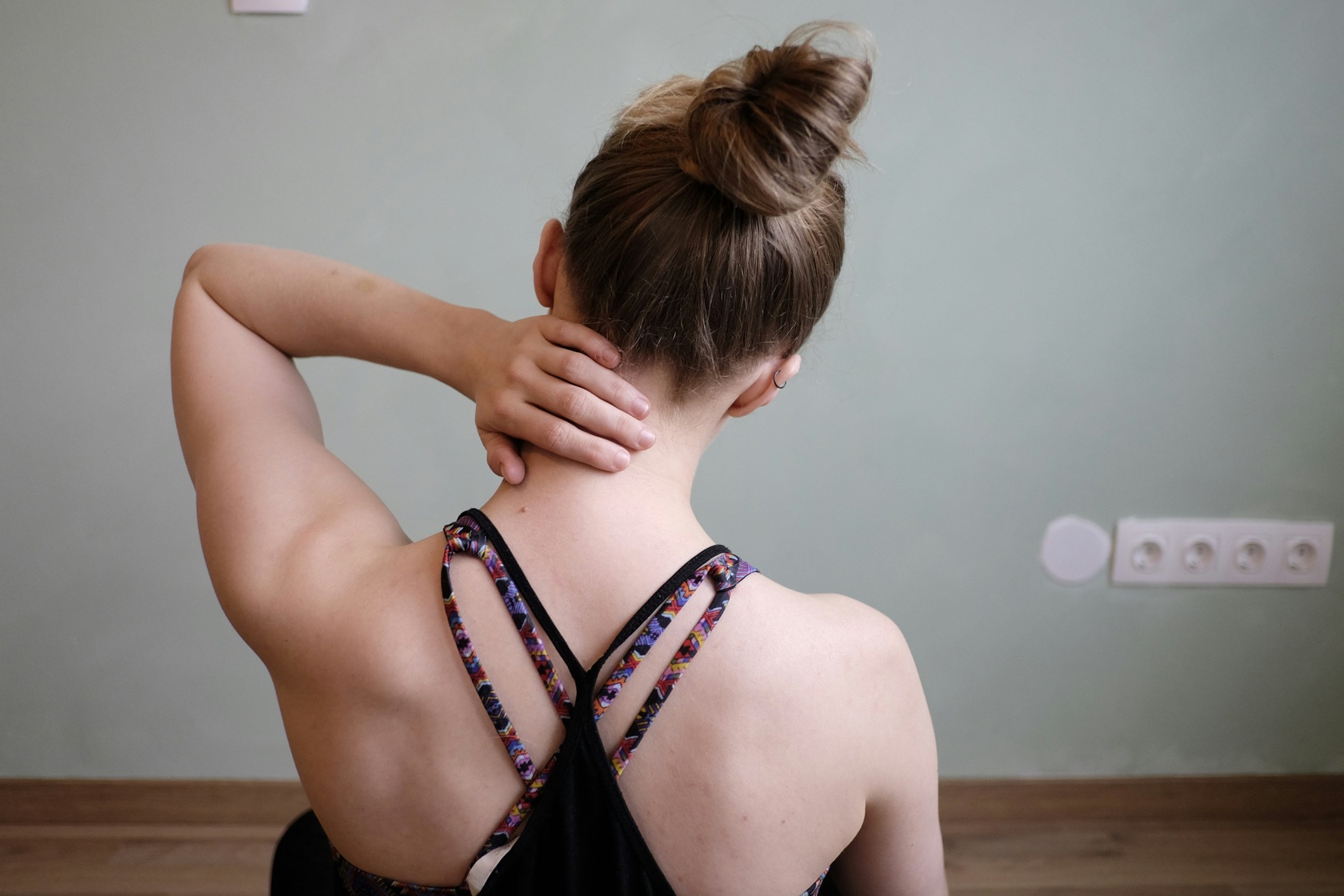
Neck pain and stiffness can make turning your head, working at a screen, or settling into bed uncomfortable. You may also wonder whether a headache is connected. This guide explains cervicalgia, what can sit behind a neck ache on one side, and when neck pain and headache symptoms need medical advice. It cannot diagnose the cause of your symptoms.
What is cervicalgia?
Cervicalgia is a medical term for pain in the neck, or cervical, region. It describes a symptom rather than one specific disease. Two people can both have cervicalgia for different reasons, so the label does not tell you the cause or the right treatment by itself.
Cervicalgia meaning and common symptoms
The cervicalgia meaning is simply neck pain. Depending on the cause, it may come with stiffness, tenderness, or a reduced comfortable range when you look up, down, or to either side. Discomfort may stay in one area or extend towards the shoulder, upper back, or head.
Some people describe a dull ache or tight feeling. Others notice sharper pain with a particular movement. If a nerve is irritated or compressed, symptoms may include tingling, numbness, or weakness in an arm or hand. Those symptoms deserve medical advice rather than being treated as ordinary muscle tension.
The cervical region includes vertebrae, joints, discs, muscles, and nerves. Knowing where you hurt is useful, but the location alone cannot show which structure is responsible.
What causes neck pain and stiffness?
Common neck discomfort can follow an awkward sleeping position or a long period with your neck held in one position. An unfamiliar activity or sudden movement may irritate muscles or joints. Stress can also coincide with muscle tension, although it should not be used to dismiss persistent symptoms.
Injury is another possibility. A fall, collision, or rapid back-and-forth movement can affect the neck even when pain is not immediate. Other possible explanations include an irritated nerve and age-related changes affecting joints or discs. Less common conditions can also cause neck pain, which is why a list of possibilities cannot replace an assessment.
Pay attention to context: Did the pain begin suddenly or build gradually? Was there an injury, illness, new activity, or long day in one position? Is movement becoming easier, or are symptoms worsening? These clues can help a clinician, but they are not a reliable home test for the underlying cause.
Can neck pain cause headaches?
Yes, a problem involving the neck can sometimes contribute to a headache. A headache attributed to a cervical structure is often called a cervicogenic headache. However, having both symptoms at once does not prove that the neck caused the headache.
Head pain and neck stiffness
Pain signals associated with structures in the upper neck may be felt in the head. This is referred pain: where you feel discomfort is not necessarily where it began. In a cervicogenic headache, head pain is associated with a disorder or lesion in the cervical spine or the neck’s soft tissues.
A clinician looks for more than head pain and neck stiffness occurring together. The timing of each symptom, whether neck movement changes the familiar headache, the examination, and other possible headache diagnoses all matter. Even scan findings do not automatically prove that a visible neck change is causing a headache.
Symptoms may be more noticeable on one side or seem to travel from the back of the head towards the front, but those patterns are not unique to a neck-related headache. Avoid repeatedly pressing painful areas or forcing neck movement to test the connection yourself.
Other causes of headache and neck pain
Migraine and tension-type headache can also occur with neck discomfort. Illness, dehydration, eyestrain, stress, injury, and other conditions may produce overlapping symptoms. Sometimes headache and neck pain share a cause; sometimes they happen together without one directly causing the other.
This is why the question of what causes neck pain, headache symptoms, or both needs context. Note nausea, sensitivity to light or sound, fever, visual changes, numbness, weakness, recent injury, and whether the headache began suddenly. These details help separate familiar, recurring symptoms from a pattern that needs prompt assessment.
What does a neck ache on one side mean?
A neck ache on one side may follow sleeping with your head turned, holding a phone between your shoulder and ear, carrying something unevenly, or an unfamiliar movement. Local muscle or joint irritation can also be more noticeable on one side. Pain from a nearby shoulder or the upper back may be felt in the neck.
One-sided pain does not identify the cause. Notice whether it stays local or travels into your shoulder, arm, or hand. Tingling, numbness, weakness, or a cold-feeling arm needs medical advice. A one-sided headache alongside neck pain is not enough to diagnose a cervicogenic headache, either.
Arrange an assessment if the pain is severe, follows an injury, keeps returning, or is not settling. Seek help sooner if your movement is becoming more limited or the pain is accompanied by neurological symptoms.
Practical next steps
Start by recording what you notice rather than trying to name the condition. Useful details include:
- when the neck pain and any headache began;
- the precise location and whether one or both sides are affected;
- movements, positions, or activities that change the symptoms;
- numbness, tingling, weakness, fever, nausea, or visual changes;
- any recent fall, collision, illness, or unusual activity.
Avoid activities that clearly increase pain or feel unsafe when you cannot turn your head normally. Do not force a stretch, repeatedly crack your neck, or copy an intensive routine before you understand what you are dealing with. A doctor or physiotherapist can help decide whether an examination or individual guidance is appropriate.
When to seek medical advice
Arrange routine medical advice if neck pain or stiffness persists for several weeks, keeps returning, worsens, or worries you. Seek advice sooner if you develop pins and needles, numbness, weakness, a cold-feeling arm, difficulty walking or balancing, or pain after a fall or collision.
Get urgent medical help for a sudden, extremely painful headache; new difficulty speaking, seeing, walking, balancing, or remembering; confusion or unusual drowsiness; a seizure; or new weakness or numbness in the face or body. A severe headache with a high temperature, marked neck stiffness, sensitivity to light, or a rash that does not fade under pressure also needs urgent assessment. Contact your local emergency service when symptoms are severe or rapidly developing.
This is not a complete list. If a headache and neck pain feel unfamiliar, severe, or substantially different from your usual symptoms, seek professional advice rather than relying on an online label.
Cervicalgia means neck pain, not a confirmed explanation for it. Look at the timing, pattern, and accompanying symptoms, then get appropriate advice when the problem persists or warning signs appear. You do not need to diagnose yourself before asking for help.